
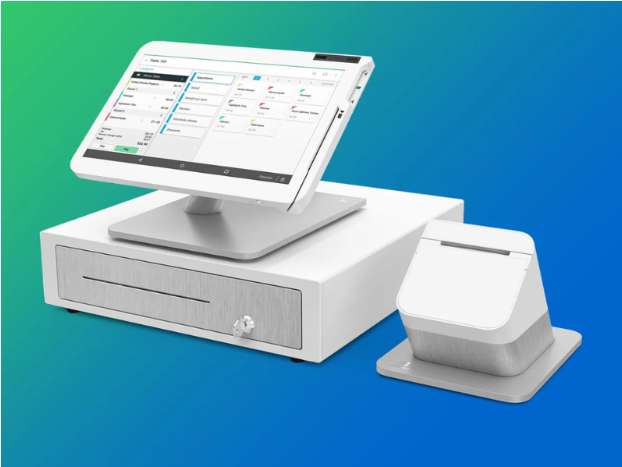

Choosing the right payment solution can directly affect customer experience, transaction speed, and daily business efficiency. Whether you run a retail store, restaurant, salon, or mobile service, the ideal payment terminal should match your workflow, budget, and customer expectations. Modern businesses need more than simple card acceptance, as speed, security, and system integration now play a major role in smooth operations. A reliable terminal can reduce checkout delays, improve payment flexibility, and support long-term growth. Understanding available features, transaction costs, and compatibility helps business owners make smarter decisions that improve convenience, protect revenue, and strengthen operational performance in competitive markets.
Why the Right Terminal Matters
A payment system is more than a device at checkout. It affects customer satisfaction, staff efficiency, and transaction reliability every day. The right terminal helps businesses process payments quickly and securely while reducing failed transactions. When selected carefully, the best solution improves service quality, supports smoother operations, and creates a better experience for both customers and employees.
Understand Your Business Type First
Before choosing equipment, assess how your business accepts payments. A retail shop may need a countertop setup, while restaurants often benefit from wireless or handheld devices. Service businesses may require portable systems for field use. The ideal payment terminal depends on how and where transactions happen, not just on price or brand popularity.
Know the Main Types of Payment Terminals
Businesses can choose from countertop, wireless, mobile, smart POS, and integrated payment devices. Countertop terminals work well in fixed checkout areas. Wireless models suit restaurants and larger stores. Mobile terminals are useful for delivery or pop-up businesses. Smart terminals offer advanced features like inventory syncing, receipts, and customer management, making them ideal for growing operations.
Check Payment Method Compatibility
Customers expect flexible payment options, including chip cards, contactless payments, mobile wallets, and magnetic stripe support where needed. Your terminal should accept the payment methods your audience uses most often. A limited device can frustrate buyers and slow transactions. Broad compatibility ensures convenience, reduces abandoned sales, and helps your business keep pace with changing consumer payment preferences.
Prioritize Security and Compliance
Payment security is essential for protecting customer trust and business reputation. A good terminal should support EMV chip technology, encrypted transactions, tokenization, and PCI compliance standards. Security features reduce fraud risk and protect sensitive payment data. Choosing a secure payment terminal is not just about compliance; it is also about maintaining operational reliability and customer confidence.
Look for POS and Software Integration
Modern businesses often rely on accounting tools, inventory software, loyalty systems, and cloud-based reporting. A terminal that integrates with these systems can save time and reduce manual work. Instead of managing separate platforms, owners can streamline operations. Integration also improves reporting accuracy, helping businesses track sales patterns, refunds, and customer behavior more effectively.
Consider Mobility and Future Growth
Your current needs may change as your business expands. A growing company may add delivery, multiple checkout points, or new service locations. Choosing a flexible payment terminal now can reduce future upgrade costs. Scalable systems allow businesses to add features, devices, and integrations later without replacing the entire payment infrastructure from the beginning.
Review Support and Reliability
Technical support is often overlooked until a payment issue disrupts sales. Businesses should choose providers with dependable customer service, quick troubleshooting, and strong replacement policies. Reliable hardware and responsive support reduce downtime. A terminal that stops working during peak hours can directly affect revenue, making service quality just as important as device features or pricing.
Conclusion
Finding the right payment solution requires balancing cost, features, security, and long-term flexibility. The best choice supports customer convenience while improving operational efficiency and payment reliability. Businesses that invest in the right system today position themselves for smoother growth tomorrow. As payment operations evolve, some companies also explore broader service models like outsourcing ATM support to improve efficiency and service reach.